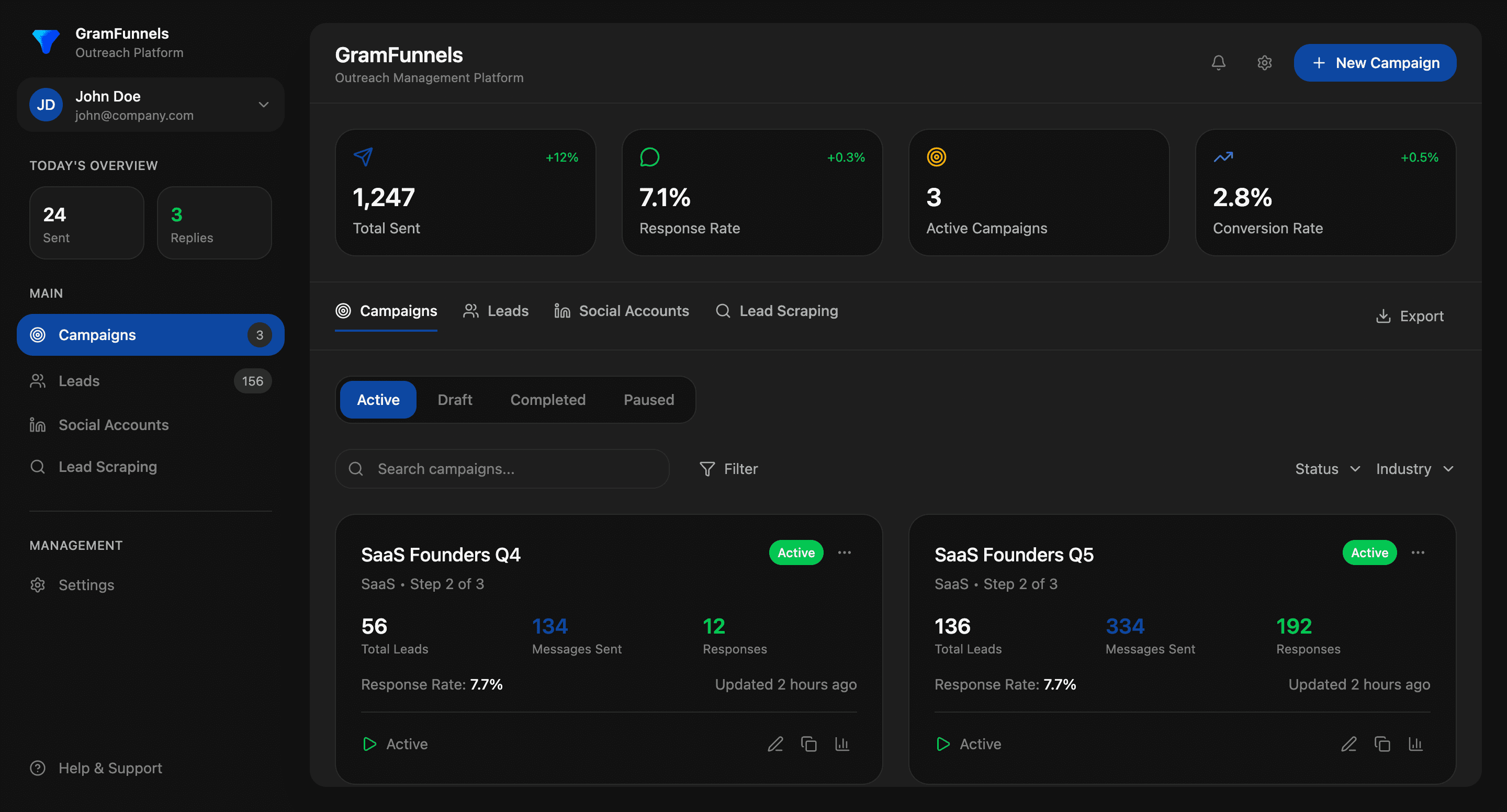
Social media automation has become essential for B2B teams scaling outreach, but compliance requirements are tightening across platforms. In 2025, regulatory bodies, platform policies, and user expectations have shifted dramatically-creating both challenges and opportunities for teams using automation tools.
If you're running outreach campaigns on Twitter/X or planning to expand your social selling efforts, understanding the latest compliance landscape is non-negotiable. This guide breaks down the 2025 updates, explains what changed, and shows you how to stay compliant while growing your pipeline.
Why Compliance Matters More Than Ever for Social Automation
Compliance isn't just about avoiding account bans-it directly impacts your revenue, reputation, and team credibility. Here's what's changed:
- Platform enforcement is stricter: Twitter/X has implemented more sophisticated detection systems for bot behavior and spam patterns.
- User privacy regulations are expanding: GDPR, CCPA, and emerging privacy laws affect how you collect, store, and use contact data from social platforms.
- FTC scrutiny is increasing: The Federal Trade Commission is actively monitoring automation practices, especially in SaaS and B2B sectors.
- Account safety is a shared responsibility: Platforms now hold users accountable for third-party tool behavior connected to their accounts.
Non-compliance isn't just risky-it's expensive. Account suspension means lost pipeline, damaged relationships, and rebuilding from zero. Compliance is an investment in sustainable growth.
Key Compliance Updates for Twitter/X Automation in 2025
Twitter/X has introduced several critical updates that directly affect automation tools and outreach strategies:
Rate Limiting and API Changes
Twitter/X has refined its API rate limits and monitoring protocols. The platform now tracks:
- DM sending velocity: Rapid-fire messaging patterns trigger automatic flags and potential temporary blocks.
- Engagement metrics: The platform analyzes your reply-to-follow ratio, Like-to-retweet patterns, and content quality scores.
- Account age and history: Newer accounts or those with sudden behavioral changes face stricter scrutiny.
To stay compliant, tools like GramFunnels implement smart rate limiting that mimics human behavior-spacing out DMs, varying interaction patterns, and respecting Twitter/X's official guidelines. This isn't just safer; it's more effective. Compliance and results align when done correctly.
Proxy and IP Management
Twitter/X now monitors IP addresses more aggressively. If you're managing multiple accounts, using residential proxies (rather than datacenter proxies) is becoming standard practice for compliance.
2025 Best Practice: Only use tools that implement proper proxy infrastructure and IP rotation. This prevents your accounts from being flagged as part of a "bot network."
Authentication and Account Ownership Verification
Twitter/X increasingly requires proof of account ownership and activity verification. If you're using third-party automation, you must:
- Maintain two-factor authentication (2FA) on all connected accounts
- Keep billing information current and verifiable
- Regularly review connected app permissions
- Document your automation's business purpose
Data Privacy and User Consent Regulations
2025 brings heightened scrutiny around how automation tools handle user data. Here's what changed:
GDPR and Data Export Compliance
If your audience includes EU residents, GDPR requirements are stricter than ever:
- Right to be forgotten: Users can request deletion of their contact data, and you must comply within 30 days.
- Legitimate interest documentation: You must demonstrate a clear business reason for collecting and processing data.
- Data processing agreements: Your automation provider must have documented DPAs (Data Processing Agreements) in place.
- Consent tracking: If applicable, maintain records of when and how users consented to contact.
CCPA and US Privacy Laws
California's Consumer Privacy Act (CCPA) and emerging state-level privacy laws require:
- Clear disclosure of data collection practices in your outreach
- Opt-out mechanisms for users who don't want to receive messages
- Privacy policy updates reflecting automation practices
- Vendor agreements with tools that process personal data
Consent and CAN-SPAM Parallels
While Twitter/X DMs aren't technically email, the spirit of CAN-SPAM applies: users should reasonably expect to receive your messages. This means:
- Don't mass-DM unrelated accounts
- Target based on genuine relevance (shared interests, industry, job role)
- Include a clear way for users to opt out
- Never automate messages that impersonate human judgment
Platform-Specific Compliance Best Practices for 2025
Twitter/X Outreach Rules
Twitter/X's 2025 automation policy clarifies what's allowed:
- Allowed: Automated DMs to users who have engaged with your content or followed your account, if messages are genuinely relevant and valuable.
- Allowed: Using automation to schedule pre-written content (though manual posting is preferred).
- Not allowed: Unsolicited mass DMs to random accounts, especially with promotional language.
- Not allowed: Automation that mimics human interaction artificially (fake engagement, fake follows, artificial Like/retweet patterns).
- Not allowed: Violating Twitter/X's rules on harassment, hate speech, or misinformation through automated means.
The key principle: Automation should amplify genuine relationships, not replace authentic interaction.
Safety and Account Protection
As covered in detail in our guide on X Automation Safety, 2025 requires:
- Regular security audits of connected accounts
- Immediate review if you notice unusual activity
- Documented automation workflows that you can explain to Twitter/X if questioned
- Separate email addresses and recovery options for outreach accounts
How Compliance Impacts Your Outreach Strategy
Personalization at Scale Becomes Mandatory
Generic, template-based outreach is now a liability. Compliance and effectiveness converge on personalization. As detailed in our post on High Converting DM Copy: Personalization at Scale, 2025 campaigns require:
- First and last name mentions, not generic greetings
- Reference to specific content the recipient shared or work they've done
- Genuine value proposition tied to their stated needs
- No copy-paste templates that could apply to thousands of accounts
Tools that enable this-like GramFunnels with AI-powered personalization-give you a compliance advantage while improving reply rates.
Reply Rate and Engagement Quality Matter
Twitter/X now weighs engagement quality more heavily than volume. A low reply rate signals your automation might be spammy or irrelevant. This means:
- Focus on smaller, highly-targeted lists rather than mass outreach
- Track reply rates obsessively-they're a compliance signal
- Continuously improve messaging based on what gets genuine responses
- Remove non-responsive segments from future campaigns
For strategies on optimizing replies, review our guide on Reply Rate Optimization: Proven Strategies for X Outreach Teams.
Audit Trails and Documentation
2025 requires documented automation workflows. If Twitter/X (or a regulator) questions your account, you need to show:
- What automation rules you're using and why
- How often campaigns run and to which audiences
- Opt-out rates and how you handle unsubscribes
- Data retention policies
- Third-party tool integrations and their compliance standing
Use tools that provide reporting dashboards, export capabilities, and compliance-ready documentation.
Red Flags: What Will Get Your Account Suspended in 2025
Twitter/X has become far more aggressive about enforcement. Watch for these red flags:
- Rapid follower/unfollower cycles: Gaining 500+ followers daily, then unfollowing them. This signals artificial engagement manipulation.
- Copy-paste DM patterns: Sending identical messages to hundreds of accounts. Use personalization.
- DM to follow ratio imbalance: Sending DMs to accounts that don't follow you, especially in volume. Respect warm outreach principles.
- Sudden account behavior changes: Jumping from 10 DMs/day to 100. Ramp up gradually to appear human.
- Engagement farming: Liking/retweeting content mechanically without genuine interest. Quality beats volume.
- Link-heavy messaging: Every DM contains a link or CTA. Space out calls-to-action and provide value first.
- Inconsistent posting patterns: 24/7 activity with no "off hours." Add randomization and breaks.
Actionable Compliance Checklist for 2025
Before running any outreach campaign, complete this checklist:
Account Setup
- ☐ Enable two-factor authentication (2FA) on all automation-enabled accounts
- ☐ Use unique, strong passwords for each account
- ☐ Verify billing information is current and matches account ownership
- ☐ Review and audit all connected third-party apps (revoke unnecessary permissions)
- ☐ Set up account recovery options (backup email, phone number)
Data Handling
- ☐ Document your data collection and retention policy
- ☐ Ensure compliance tools have updated Data Processing Agreements (DPAs)
- ☐ Create an opt-out process and monitor unsubscribe requests
- ☐ Implement data minimization (collect only what you need)
- ☐ Prepare for GDPR/CCPA data deletion requests (30-day response time)
Automation Configuration
- ☐ Set realistic rate limits (no more than 50-100 DMs/day per account for new campaigns)
- ☐ Use residential proxies if managing multiple accounts
- ☐ Implement randomized send times and spacing between messages
- ☐ Add human-in-the-loop review for outreach messages before sending
- ☐ Create personalization rules based on real audience research
Monitoring and Documentation
- ☐ Export and archive all outreach logs monthly
- ☐ Track reply rates, engagement metrics, and opt-out rates
- ☐ Review account health metrics weekly for suspicious activity
- ☐ Document the business purpose and target audience for each campaign
- ☐ Prepare compliance documentation in case of platform review
Continuous Improvement
- ☐ Test messaging with smaller segments before full rollout
- ☐ Adjust targeting based on reply rates and engagement quality
- ☐ Monitor platform updates and adjust workflows accordingly
- ☐ Train team members on compliance requirements
- ☐ Conduct quarterly compliance audits
Tools That Help You Stay Compliant in 2025
Not all automation tools are created equal when it comes to compliance. The best tools for 2025 include:
- Rate limiting and velocity controls: Prevents over-aggressive sending that triggers flags
- Proxy infrastructure: Manages IP addresses responsibly across multiple accounts
- Personalization engines: Enables message customization at scale without copy-paste patterns
- Audit logs and reporting: Documents everything for compliance verification
- DPA compliance: Has documented Data Processing Agreements for GDPR/CCPA
- Integration with CRM systems: Ensures data flows securely to your sales stack
GramFunnels, for example, is built with compliance-first architecture: rate limiting, proxy rotation, personalization at scale, and audit-ready reporting. When evaluating tools, prioritize these features over flashy gimmicks.
Looking Ahead: Compliance Trends for Late 2025
As we move through 2025, expect:
- AI regulation: More scrutiny on AI-generated outreach messages. Transparency about automation will be required.
- Stricter bot detection: Platforms investing heavily in machine learning to identify inauthentic behavior.
- Privacy-first automation: Tools that minimize data collection and maximize user control will become standard.
- Multi-platform consolidation: Compliance requirements converging across Twitter/X, LinkedIn, and emerging platforms.
Conclusion: Compliance Is Competitive Advantage
In 2025, compliance and growth are no longer at odds. The teams that win are those who:
- Use automation to scale genuine, personalized outreach (not spam)
- Respect user privacy and platform rules
- Document and audit their practices continuously
- Invest in tools built with compliance-first architecture
- Treat compliance as a growth enabler, not a limitation
The days of gray-hat automation tactics are over. Platforms are too smart, regulations are too clear, and the reputational risk is too high. The good news? Compliant, ethical automation works better, builds trust, and scales faster than shortcuts ever will.
Start with the compliance checklist above, audit your current practices against the 2025 rules outlined here, and update your tool stack if necessary. Your future pipeline depends on it.